
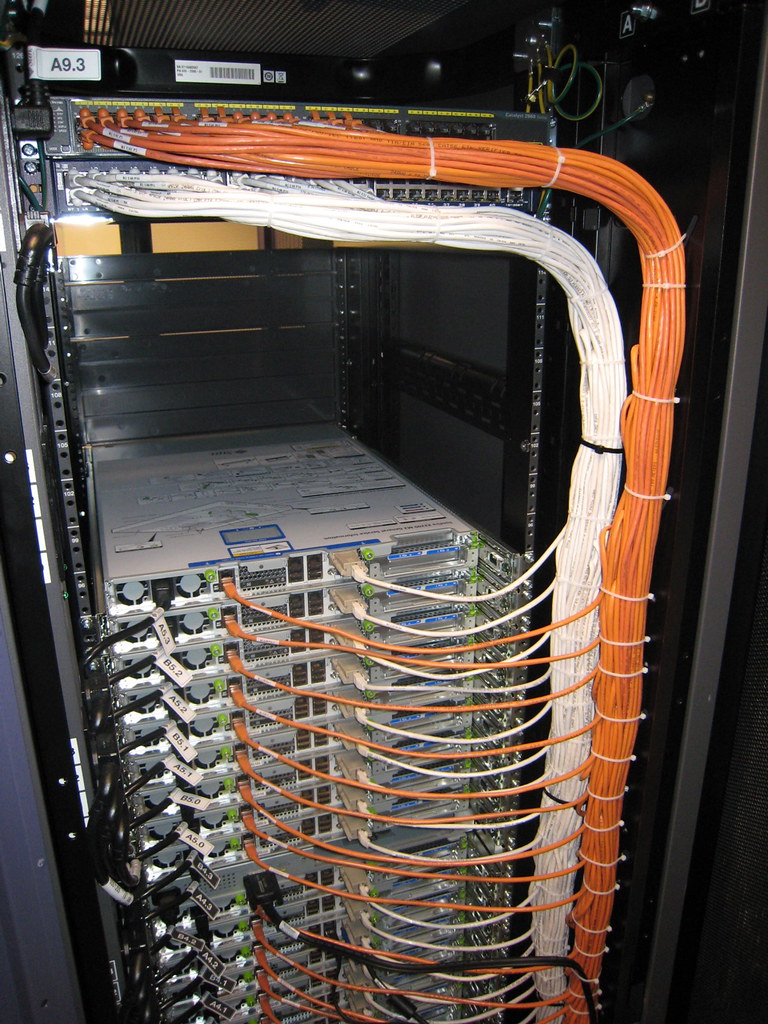
A crashed VPS is one of those situations where the first ten minutes matter more than the next ten hours. Panicking and clicking randomly in a control panel wastes the window where a clean, fast restoration is still possible. Here’s a calm, sequential approach to getting a WordPress site back up after a server crash.
What Actually Causes a VPS to Crash
Before restoring anything, it helps to know what you’re dealing with: out-of-memory kills from a traffic spike or a runaway process, a failed kernel or OS update, disk exhaustion from log files or backups filling the volume, a corrupted filesystem after an unclean shutdown, or a provider-side hardware fault on the underlying host node. Each has a slightly different recovery path, so a quick diagnosis before you restore saves you from repeating the same crash five minutes after recovery.
Immediate Triage
- Check the provider’s status page and control panel first. If it’s a host-side outage, restoration on your end won’t help — wait it out or open a support ticket.
- Try a clean reboot via the control panel (not a hard power cycle if you can avoid it) — a surprising number of “crashes” are transient resource spikes that clear on reboot.
- Check disk space immediately if the server does come back —
df -h— a full disk is one of the most common WordPress-adjacent crash causes and one of the easiest to fix (clear old logs, rotate backups, empty trash in the database). - Check the error logs — web server error log and PHP error log will usually point directly at what broke, whether that’s a plugin conflict, a memory limit, or a corrupted table.
Restoring From a Snapshot
If your provider takes automatic VPS-level snapshots, restoring the entire server to a pre-crash snapshot is usually the fastest full recovery — it brings back the OS, web server config, PHP setup, and WordPress files/database all at once, exactly as they were at snapshot time. The tradeoff is data loss for anything published between the snapshot and the crash, which is why snapshot frequency matters more than most site owners realize until the day they need one.
Restoring WordPress Specifically (No Full Snapshot Available)
If you’re rebuilding the server from scratch or a snapshot isn’t available, WordPress restoration comes down to two pieces:
- Database: Import your most recent
.sqlbackup withwp db import backup.sql(WP-CLI) or through phpMyAdmin/Adminer if you don’t have shell access. Verify thewp_optionstable’ssiteurlandhomevalues match the actual domain. - Files: Restore
wp-content(themes, plugins, and criticallyuploads) from your file backup — a plugin like UpdraftPlus or Duplicator, or a rawrsync/tarball backup, depending on what you had configured before the crash.
Re-download WordPress core fresh rather than restoring core files from backup — core rarely needs backing up and a fresh copy rules out any corruption in the crashed environment’s core files.
If You Don’t Have a Recent Backup
This is the scenario that makes automated off-server backups non-negotiable going forward. Check whether your host keeps its own rolling snapshots even if you didn’t configure application-level backups — many managed VPS providers retain a few days of snapshots by default. Failing that, Google’s cache or the Wayback Machine can sometimes recover page content (not the database structure or functionality) as a last resort for critical pages while you rebuild.
Post-Recovery Verification
| Check | Why It Matters |
|---|---|
| Site loads without PHP errors | Confirms core + plugin compatibility survived the restore |
| Recent posts/orders present | Confirms you restored from the most recent usable backup point, not an older one |
| Uploads folder intact | Media is the most commonly forgotten piece in a rushed restore |
| Cron jobs re-registered | Scheduled posts, backups, and cache-clear tasks won’t resume automatically after some restore methods |
| SSL certificate valid | A rebuilt server often needs Let’s Encrypt reissued rather than auto-restored |
Preventing the Next One
The recurring lesson in crash recovery is that recovery speed is entirely determined by prep work done before the crash: automated off-server backups (daily database, at minimum weekly full files) stored somewhere other than the VPS itself, server-level monitoring that alerts on memory/disk thresholds before they become a crash, and — where the budget allows — a managed host tier that handles OS-level patching and includes provider-side snapshots as a baseline, not an add-on.
Verdict
A VPS crash is recoverable almost every time, but the time-to-recovery swings from minutes to days depending entirely on what backup and monitoring setup existed before it happened. If this recovery took longer than you’d like, treat that as the real finding — the fix isn’t a better crash response next time, it’s automated off-server backups and basic resource monitoring so there’s less to respond to in the first place.
FAQ
How often should WordPress backups run?
Daily database backups at minimum for any actively updated site; weekly is the floor for full file backups, daily if you’re on ecommerce or frequently uploading media.
Should backups live on the same VPS?
No — store backups off-server (cloud storage, a separate backup service, or your local machine) so a full server failure doesn’t take your only backup copy down with it.
Can I recover without any backup at all?
Sometimes partially, via host-side snapshots you didn’t know existed, or cached/archived page content for critical pages — but full functional recovery without any backup is rarely possible.